Editorial Picks
5 Theatres and Performance Venues at Myeongdong's Doorstep — 2026 Editor's Map
Five live-performance houses within a brisk walk of Myeongdong-gil — mapped as an editorial evening route, not a leaderboard.
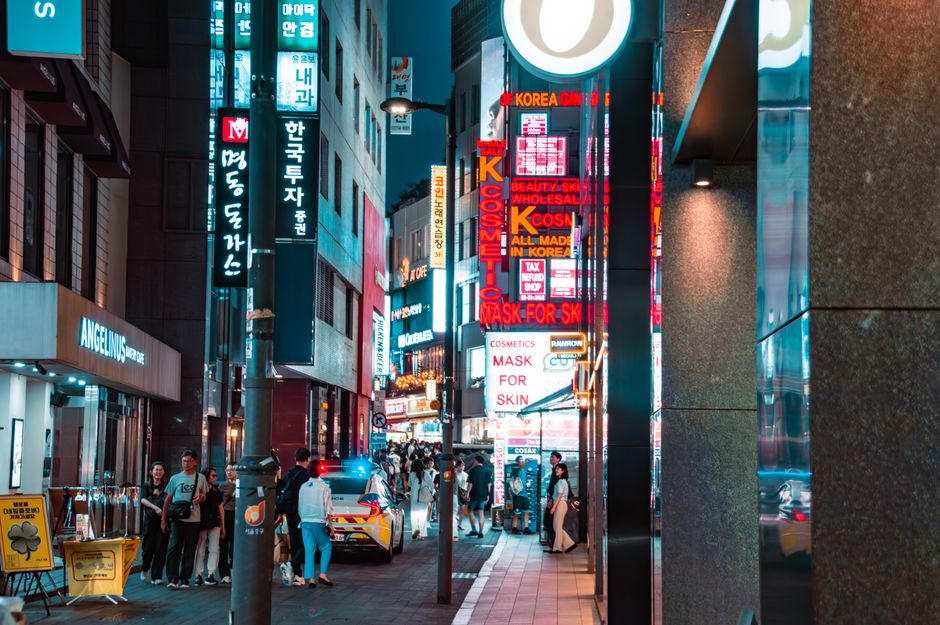
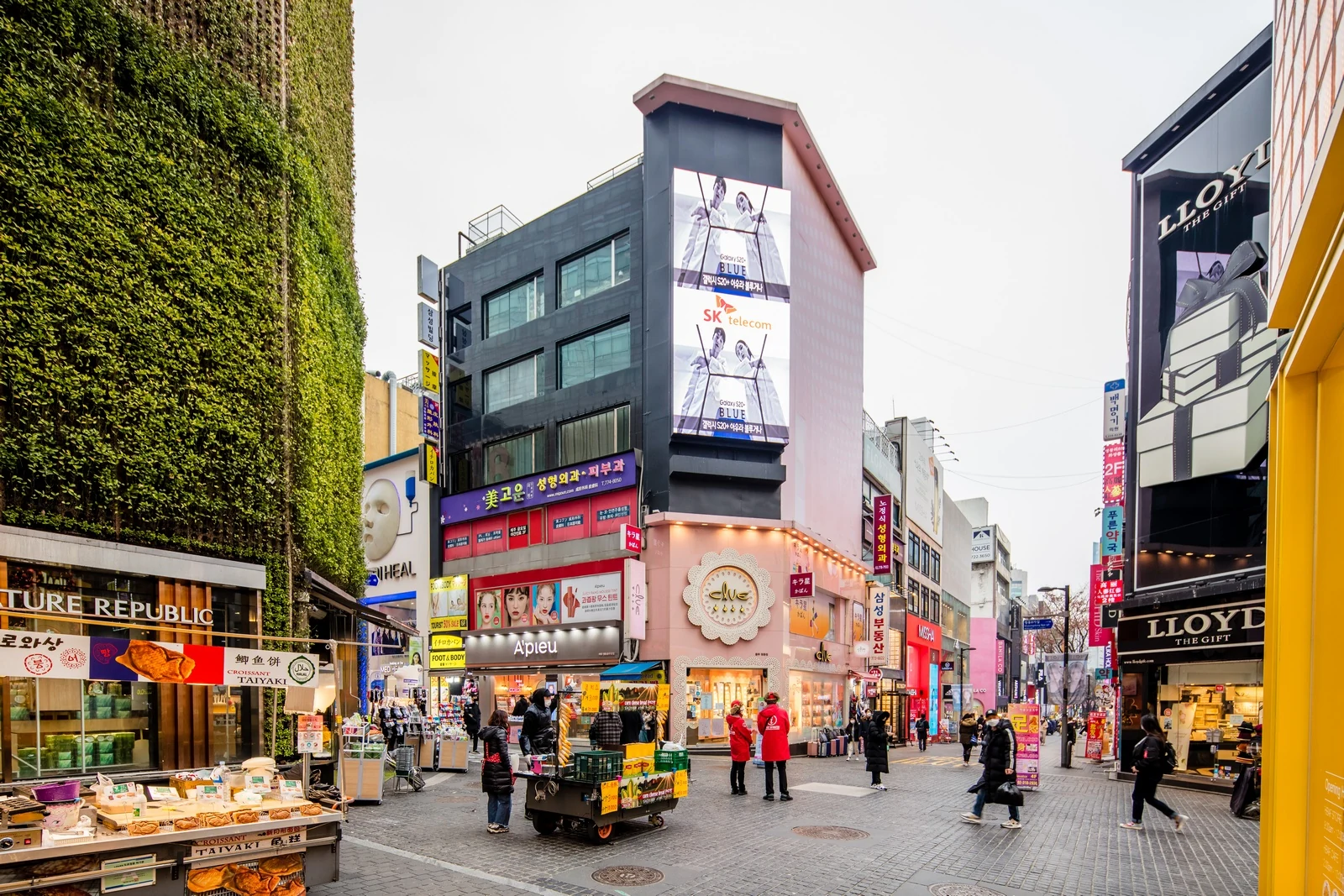
Myeongdong, after dusk, has a second life that the cosmetics avenues quietly hide. Walk three blocks off the main strip and the city opens into a small constellation of theatres — heritage repertory houses, non-verbal touring shows, traditional Korean performance halls, the flagship Sejong complex toward Gwanghwamun and the National Theater of Korea along the eastern slope of Namsan. Five of those addresses define what we are calling, in this editorial, the Myeongdong theatre walk — and they are close enough to each other that a visitor with a Tuesday-night curtain can be browsing the Myeongdong-gil light pulse at 18:30 and inside the auditorium by 19:30 without rushing. None of these venues are new. Myeongdong Theatre has run as a National Theater Company repertory house for over a decade in its current restored heritage building. Nanta Myeongdong has been one of Korea's longest-running international touring productions since the late nineties. Jeongdong Theatre, ten minutes through Deoksugung, anchors the traditional Korean performance lineup curated for foreign visitors. Sejong Center for the Performing Arts, ten minutes further west along Sejong-daero, is the flagship multi-stage complex that hosts Seoul Metropolitan Opera and Seoul Philharmonic. The National Theater of Korea, ten minutes east by taxi along Jangchungdan-ro, is the national flagship for pansori and changgeuk. This editorial is built around those five addresses. Read Featured A through Featured E as an evening reading order, not a ranking. We list box-office hours, price tiers, language support and the kind of visitor each house tends to reward — the heritage-repertory romantic, the non-verbal-comedy first-timer, the traditional-arts pilgrim, the classical-music comparer, the pansori student. The intent is a working magazine route for a visitor who is staying in Myeongdong and wants the live-performance evening that the cosmetics avenue does not advertise.
How we mapped these five performance houses around Myeongdong
Our editorial method for selecting the five Featured theatres near Myeongdong runs on three observable criteria and two soft filters. First, the house had to operate as a year-round, public-programmed performance venue with a verifiable box office and a published schedule — not a pop-up, not a private rehearsal hall, not a tourist-only seasonal stage. The five Featured houses on this list all run a public schedule across the year, with confirmed performance dates available on either the venue's English-language ticketing page or the Korea Tourism Organization's English-language portal. Second, the address had to sit within a walking or short-taxi radius of Myeongdong Station Exit 6 or Exit 8. Two of the five Featured venues — Myeongdong Theatre and Nanta Myeongdong — sit directly on Myeongdong-gil. Jeongdong Theatre is a ten-minute walk west through Deoksugung. Sejong Center is a ten-minute walk further along Sejong-daero. The National Theater of Korea, on the eastern slope of Namsan, is a ten-minute taxi or a forty-minute walk through Jangchungdan-ro. Third, the venue had to maintain at least basic foreign-visitor support — English-language ticketing, multilingual signage, or English subtitles for at least a portion of the season's programming. The two soft filters were curatorial standing and editorial reputation. The five Featured houses are all referenced across either the Seoul Tourism Organization's visit-seoul attractions desk, Time Out Seoul, the Korea Tourism Organization or the venues' own internationally-published season catalogues. No house was included on the basis of any sponsored editorial relationship; the list is the working evening map a Beauty Pulse editor would actually walk.
- Operates as a year-round, public-programmed performance venue
- Within walking or short-taxi range of Myeongdong Station
- English-language ticketing, signage or subtitled programming
- Cited by visitkorea.or.kr, visitseoul.net or Time Out Seoul
- Active 2025-2026 season with published box-office hours

Five live-performance houses within a brisk walk of Myeongdong-gil
The five Featured entries below run roughly outward from Myeongdong-gil — two directly on the main strip, one through Deoksugung to the west, one further west along Sejong-daero, one east toward Namsan. Read the H3s as an evening reading order. Hours reflect each venue's box-office routine, not the curtain time, which varies by performance. Same-day confirmation via the venue's English-language website or Naver Map remains the standard editorial workflow, particularly around the traditional Korean holidays when schedules occasionally compress.
Featured A — Myeongdong Theatre
Myeongdong Theatre is the corridor anchor for any Myeongdong live-performance evening, and the address most directly woven into the central Seoul theatre history. The venue sits at 35 Myeongdong-gil, an immediate three-minute walk from Myeongdong Station Exit 6. The box office runs 10:00 to 19:00, the curtain typically lifts at 19:30 on weekday evenings and 15:00 on weekend matinees, and ticket pricing across the season generally sits between ₩20,000 and ₩70,000 depending on the production and the seat band. The house is the main repertory venue of the National Theater Company of Korea, and the programming runs Korean-language classic and contemporary theatre — Anton Chekhov adaptations, Korean translations of Brecht and Beckett, original Korean playwrights — across roughly eight to ten productions a year. The restored heritage building dates back to a 1934 founding and is itself part of the editorial reason to visit; the lobby reads as a small architectural set-piece on the Myeongdong main strip. English subtitling is provided for a meaningful portion of the season — particularly the international-touring titles and the larger autumn-winter productions — and the visit-seoul attractions desk maintains a current English-language reference for the venue. The pulse is unhurried; the audience is local and serious. Editorial reading: visit Myeongdong Theatre when the production is one of the National Theater Company's autumn-winter mainstage titles, when the English subtitling is most likely to be present, and when the heritage lobby reads at its winter best.
Featured B — Nanta Theatre Myeongdong
Nanta Theatre Myeongdong is the central-Seoul home of one of Korea's longest-running international touring productions, and the Featured venue most consistently recommended by central-Seoul concierge desks for first-time visitors. The address sits on the third floor of the UNESCO Building at 26 Myeongdong-gil — a four-minute walk from Myeongdong Station Exit 6. Daily performances run at 17:00 and 20:00, occasionally with an added 14:00 weekend matinee, and ticket pricing sits between ₩40,000 and ₩60,000. Nanta is a non-verbal percussion comedy show — a kitchen-set ensemble piece performed entirely through rhythm, slapstick and physical comedy, with no spoken Korean to translate. The lack of a verbal barrier is, in editorial terms, the reason the show has run continuously since 1997, toured internationally for over twenty-five years, and remained the central-Seoul performance most reliably recommended for visitors who do not read Korean. The lobby is multilingual — English, Mandarin, Japanese signage and staff — and the booking routine is direct on the English ticketing page. The pulse is high-energy; the audience is international and family-mixed. Editorial reading: this is the Myeongdong performance to book if your evening includes children, first-time-Seoul visitors, or any guest for whom a fully non-verbal show is the right curatorial choice rather than a Korean-language repertory.
Featured C — Jeongdong Theatre
Jeongdong Theatre is the central-Seoul heritage venue for traditional Korean performance, sitting ten minutes on foot west of Myeongdong through Deoksugung Palace and along the Jeongdong-gil heritage walk. The address is 43 Jeongdong-gil, just past the Deoksugung stone walls. The box office runs 10:00 to 20:00, with performances usually beginning at 16:00 or 20:00 depending on the season programme, and ticket pricing sits between ₩30,000 and ₩60,000. The programming is what makes Jeongdong Theatre Featured here: a curated lineup of traditional Korean performance — pansori, samul-nori percussion, traditional dance, Korean folk theatre — packaged with running English subtitling and English-language programme notes, deliberately structured for the international visitor who wants the traditional-Korean-arts evening but does not read Korean. The venue is internationally referenced across the visit-seoul attractions desk and the Korea Tourism Organization's English portal as the central-Seoul traditional-arts house most accessible for foreign visitors. The pulse is unhurried; the foyer reads as part of the city's heritage spine. Editorial reading: book Jeongdong Theatre when the evening calls for the Korean traditional-arts pilgrimage — the show that, in editorial honesty, the K-beauty-and-shopping evening does not offer, and the show that walks easily through Deoksugung in the same outing.
Featured D — Sejong Center for the Performing Arts
Sejong Center for the Performing Arts is Seoul's flagship multi-stage performing-arts complex, and the largest single performance venue within walking distance of Myeongdong. The address is 175 Sejong-daero, in Gwanghwamun, a ten-minute walk west of Myeongdong along Eulji-ro and Sejong-daero. The box office runs 09:00 to 20:00. Ticket pricing spans the widest range on this list — ₩30,000 entry seats for chamber programmes through to ₩200,000 for major touring orchestra dates — and the season catalogue runs across classical music, opera, contemporary dance, traditional Korean orchestral works and international touring acts. The complex houses Seoul Metropolitan Opera, Seoul Philharmonic Orchestra and Seoul Metropolitan Theatre as its three resident companies, alongside a steady international touring calendar. The English-language website is the most editorially comprehensive of the five Featured houses, with full season programming, seat-map ticketing and programme notes in English available for the major productions. The pulse depends on the night — a Seoul Philharmonic evening reads differently from a contemporary-dance touring date — but the lobby is consistently the city's most cosmopolitan performance foyer. Editorial reading: lead with Sejong Center when the visitor's evening calls for symphony, opera or international touring — the classical-music walk that pairs naturally with a pre-curtain Gwanghwamun dinner.
Featured E — National Theater of Korea (Haeoreum & Daloreum halls)
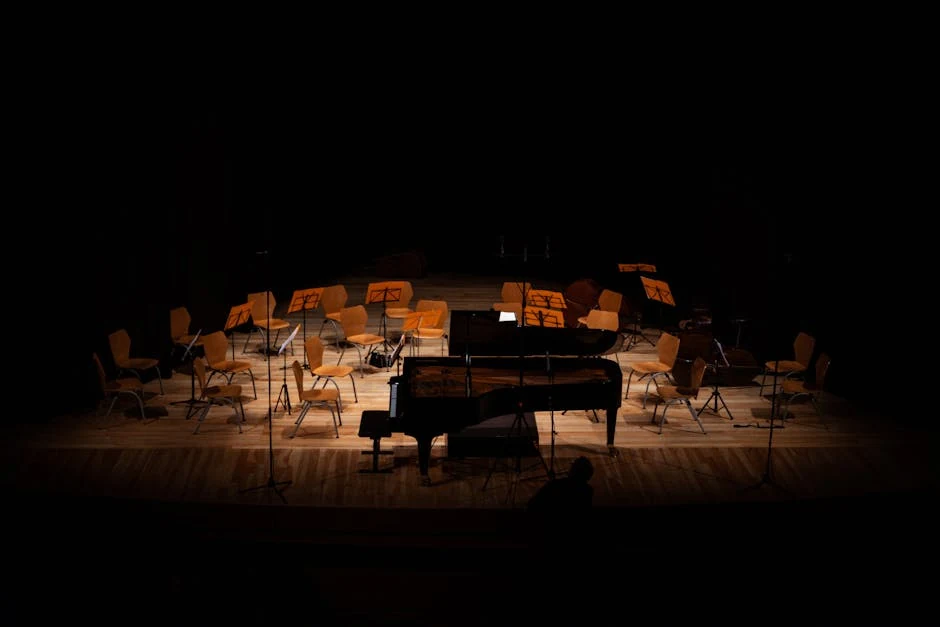
The National Theater of Korea is the country's flagship for traditional Korean performing arts, sitting at 59 Jangchungdan-ro on the eastern slope of Namsan. From Myeongdong it is a ten-minute taxi or a forty-minute walk through Jangchungdan Park. The box office runs 09:00 to 18:00, performance times sit predominantly in the 19:30 evening band, and ticket pricing spans ₩20,000 to ₩100,000 depending on the production and the hall. The complex houses two main stages — Haeoreum, the larger 1,500-seat hall, and Daloreum, the 500-seat hall — alongside the dedicated National Changgeuk Company, the National Dance Company of Korea and the National Orchestra of Korea as its three resident ensembles. The programming is what makes this Featured: pansori in its full classical form, changgeuk (Korean opera), traditional Korean dance, the country's full traditional-performing-arts canon performed at the highest curatorial level. English subtitles are provided across a meaningful portion of the season, and the English-language website carries season programming with seat-map ticketing. The pulse is reverent; the audience is local-and-serious, with a discreet international contingent who arrive specifically for the changgeuk and pansori dates. Editorial reading: book the National Theater of Korea when the evening calls for the deepest traditional-arts walk — the pansori or changgeuk that Jeongdong Theatre programmes in editor's-cut form, performed here in full curatorial weight.
Five Myeongdong-adjacent theatres — quick reference table
The reference table below collapses the five Featured entries into a single planning surface. Walking radius is measured from Myeongdong Station Exit 6 or Exit 8. Price bands reflect the published season range for the venue rather than a single-production figure. Box-office hours are subject to occasional same-day adjustment for traditional Korean holidays — particularly Seollal and Chuseok — and for venue-specific dark days; same-day confirmation via the venue's English-language ticketing page or Naver Map is the standard editorial workflow.
| Featured | Venue | Programme type | Walking radius | Box office | Price band |
|---|---|---|---|---|---|
| A | Myeongdong Theatre | Korean repertory theatre | 3 min, on Myeongdong-gil | 10:00 - 19:00 | ₩20,000 - ₩70,000 |
| B | Nanta Theatre Myeongdong | Non-verbal percussion comedy | 4 min, on Myeongdong-gil | Daily, 17:00 & 20:00 | ₩40,000 - ₩60,000 |
| C | Jeongdong Theatre | Traditional Korean arts (subtitled) | 10 min via Deoksugung | 10:00 - 20:00 | ₩30,000 - ₩60,000 |
| D | Sejong Center for the Performing Arts | Classical, opera, dance, international | 10 min via Sejong-daero | 09:00 - 20:00 | ₩30,000 - ₩200,000 |
| E | National Theater of Korea | Pansori, changgeuk, traditional flagship | 10 min taxi, Namsan east | 09:00 - 18:00 | ₩20,000 - ₩100,000 |
How to plan a single-evening Myeongdong theatre walk
A single-evening Myeongdong theatre walk is the editorially natural reading of this list, because the five Featured houses spread across complementary programming types rather than competing inside one. We recommend selecting the venue by curatorial fit rather than by walking distance — the eight-minute differential between Myeongdong Theatre and the National Theater of Korea is editorially trivial against the difference between a Korean-language Chekhov adaptation and an evening of pansori at the country's flagship traditional-arts hall. For a first visit to central Seoul, the editorial choice is Nanta at 20:00, preceded by an Olive Young Town K-beauty walk between 18:00 and 19:30. For a returning visitor with at least one prior Seoul trip, the editorial choice tilts toward either Jeongdong Theatre or the National Theater of Korea — the traditional-arts walk that Nanta and Myeongdong Theatre, by structure, do not offer. For an evening built around classical music, opera or international touring, the editorial anchor is Sejong Center, paired with a pre-curtain Gwanghwamun dinner. For a slow heritage evening, Myeongdong Theatre's autumn-winter mainstage is the editorial choice — the venue whose restored 1934 lobby reads at its photographic best in the cold months. Across all five, English-language ticketing is the standard front door, and same-day confirmation via the venue's website is the editorial workflow. Curtain calls in central Seoul sit predominantly in the 21:30 to 22:00 band, which leaves the post-curtain Myeongdong main strip still open for a slow walk back to the hotel through the cosmetics lights.
- First-time visitor — Nanta 20:00, paired with a 18:00-19:30 K-beauty walk
- Returning visitor — Jeongdong Theatre 20:00, paired with a 16:00 Deoksugung walk
- Classical evening — Sejong Center, paired with a pre-curtain Gwanghwamun dinner
- Traditional flagship — National Theater of Korea, pansori or changgeuk evening
- Heritage repertory — Myeongdong Theatre autumn-winter mainstage 19:30 curtain
What to know about English subtitles, ticketing and Korean theatre etiquette in central Seoul
Korean theatre etiquette, English subtitling and ticketing routine in central Seoul reward a small set of editorial habits the standard guidebook tends to skip. First, the five Featured houses all operate English-language online ticketing, but the subtitling support varies substantially by production rather than by venue. Nanta is, by structure, non-verbal across the full season; Jeongdong Theatre programmes with running English subtitles across the international-visitor lineup; Myeongdong Theatre and the National Theater of Korea provide subtitling for a meaningful but selective portion of their seasons, typically the larger autumn-winter mainstage titles and the international-touring weeks; Sejong Center offers subtitling for opera and selected dramatic theatre but not for the classical-music or chamber programmes, where the editorial value is in the score itself. Cross-checking each production's subtitle status on the venue's English booking page is the editorial workflow. Second, Korean theatre etiquette in central Seoul is, on a 2026 reading, closer to the Western continental concert standard than to the Broadway entertainment register. Late arrivals are seated only at scene breaks. Phones are switched off at curtain-up — the houses are stricter on this than European equivalents — and photography in the auditorium is universally prohibited. Drinks are typically permitted in the lobby but not in the seats. Third, the box-office routine across the five Featured houses is online-led; walk-up ticketing is available, but the better seat-map options are released to the English booking pages first. Booking three to five days in advance is the editorial baseline, with two weeks in advance for the Seoul Philharmonic, Seoul Metropolitan Opera and Nanta weekend matinees. Fourth, the dress register across the five houses sits in the smart-casual to business-casual band — closer to a European concert house than to a Western opera gala. Fifth, the post-curtain return to Myeongdong is, in editorial fact, one of the quieter cosmopolitan moments in central Seoul — the K-beauty avenue still pulses, the cafés are still open along Eulji-ro, and the slow walk back tends to read as the unwritten coda of any Myeongdong-area theatre evening. The Seoul Tourism Organization's English-language portal and Time Out Seoul's stage desk both maintain ongoing references for the five Featured houses; we recommend cross-checking the current season programming on either portal before each trip.
Closing field notes from the Myeongdong theatre walk
Closing field notes for a Beauty Pulse Magazine Myeongdong theatre editorial cluster around three observations a returning visitor will not find in standard performance listings. First, the five Featured houses operate as a small, internally complementary cluster rather than five separate destinations. Myeongdong Theatre carries the Korean-language repertory weight, Nanta carries the non-verbal touring evening, Jeongdong Theatre handles the curated traditional-arts walk, Sejong Center handles the classical-music and opera flagship, the National Theater of Korea carries the full traditional-arts curatorial weight. A returning visitor who has walked all five across separate trips will read central Seoul's live-performance grain in a way the cosmetics-only itinerary does not deliver. Second, the editorial value of the cluster is its proximity to a single hotel base. A visitor staying along the Myeongdong main strip, the Lotte Hotel Seoul or the Westin Josun can walk to four of the five Featured houses inside a fifteen-minute window, with the fifth — the National Theater of Korea — a ten-minute taxi over the eastern slope of Namsan. Few central-Seoul neighbourhoods carry that density of curatorial walking radius, and Myeongdong is in editorial honesty the densest of them. Third, the five Featured houses are working performance venues operated by serious curatorial institutions, not tourist showcases. The pulse, the etiquette and the audience are local-and-serious across all five, with a discreet international contingent. The editorial respect appropriate to a Beauty Pulse Magazine reader is to book carefully, dress for the house, arrive with the programme in hand, and let the curtain rise on its own quiet pulse. Korea's central-Seoul theatre cluster does not need a magazine to confirm its standing; what an editorial can do is map it honestly for a visitor staying on the cosmetics avenue who is ready to walk three blocks off the main strip into a different evening.
Frequently asked questions
How many theatres are featured in this Myeongdong editorial?
Five live-performance venues are featured in this Myeongdong theatre editorial, presented as Featured A through Featured E in walking and editorial order from the Myeongdong main strip outward. The five addresses cover Korean repertory theatre, non-verbal percussion comedy, traditional Korean arts, a flagship multi-stage classical-and-opera complex and the country's national traditional-arts house on the eastern slope of Namsan.
Where is Myeongdong Theatre located in central Seoul?
Myeongdong Theatre is at 35 Myeongdong-gil, an immediate three-minute walk from Myeongdong Station Exit 6 in central Seoul. The box office operates 10:00 to 19:00 daily. The venue is the main repertory house of the National Theater Company of Korea, housed in a restored heritage building dating back to a 1934 founding, and tickets across the season typically sit between ₩20,000 and ₩70,000.
Can I see a Nanta performance in Myeongdong?
Yes — Nanta Theatre Myeongdong runs daily performances at 17:00 and 20:00 on the third floor of the UNESCO Building, 26 Myeongdong-gil, a four-minute walk from Myeongdong Station Exit 6. Tickets sit between ₩40,000 and ₩60,000. Nanta is a non-verbal percussion comedy show running internationally since 1997, with no spoken Korean to translate, making it the editorial choice for first-time central-Seoul visitors.
What is the closest traditional Korean performance venue to Myeongdong?
Jeongdong Theatre at 43 Jeongdong-gil is the closest dedicated traditional Korean performance venue to Myeongdong — a ten-minute walk west through Deoksugung Palace. The box office runs 10:00 to 20:00 and tickets sit between ₩30,000 and ₩60,000. The programming runs pansori, samul-nori percussion, traditional dance and Korean folk theatre with running English subtitles for foreign visitors.
How far is Sejong Center for the Performing Arts from Myeongdong?
Sejong Center for the Performing Arts at 175 Sejong-daero is a ten-minute walk west of Myeongdong along Eulji-ro and Sejong-daero. The box office operates 09:00 to 20:00, ticket pricing spans ₩30,000 to ₩200,000 across the season, and the complex houses Seoul Metropolitan Opera, Seoul Philharmonic Orchestra and Seoul Metropolitan Theatre alongside an international touring calendar.
Is the National Theater of Korea near Myeongdong?
The National Theater of Korea at 59 Jangchungdan-ro is a ten-minute taxi or a forty-minute walk from Myeongdong, on the eastern slope of Namsan. The box office runs 09:00 to 18:00, performance times sit predominantly in the 19:30 evening band, and ticket pricing spans ₩20,000 to ₩100,000. The complex houses the National Changgeuk Company, the National Dance Company of Korea and the National Orchestra of Korea.
Do these Myeongdong-area theatres offer English subtitles?
Yes — English subtitling is available across the five Featured houses, with substantial variation by production. Nanta is non-verbal across the full season. Jeongdong Theatre programmes with running English subtitles across the international-visitor lineup. Myeongdong Theatre and the National Theater of Korea provide subtitles for selective portions of the season. Sejong Center offers subtitles for opera and selected dramatic theatre.
How much does a theatre ticket cost near Myeongdong?
Theatre ticket pricing near Myeongdong sits between ₩20,000 entry seats at Myeongdong Theatre and the National Theater of Korea, ₩30,000 to ₩60,000 mid-band tickets at Jeongdong Theatre and Sejong Center chamber programmes, ₩40,000 to ₩60,000 at Nanta, and up to ₩200,000 for major Seoul Philharmonic or international touring orchestra dates at Sejong Center.
Which Myeongdong theatre is best for first-time visitors?
Nanta Theatre Myeongdong is the editorially natural choice for first-time visitors to central Seoul, anchored on the show's non-verbal percussion-comedy format that requires no Korean-language comprehension. Daily performances run at 17:00 and 20:00, ticket pricing sits between ₩40,000 and ₩60,000, and the venue is a four-minute walk from Myeongdong Station Exit 6.
Are tickets to these Myeongdong-area theatres available online in English?
Yes — all five Featured Myeongdong-area theatres operate English-language online ticketing through the venues' official websites. Booking three to five days in advance is the editorial baseline, with two weeks in advance for Seoul Philharmonic, Seoul Metropolitan Opera and Nanta weekend matinees. Walk-up ticketing is available but the better seat-map options are released to the English booking pages first.
What dress code applies at central Seoul theatres?
Dress register across the five Featured Myeongdong-area theatres sits in the smart-casual to business-casual band — closer to a European concert house than to a Western opera gala. The Sejong Center evening programming and the larger National Theater of Korea changgeuk dates skew slightly more formal; Nanta and the lighter Myeongdong Theatre weekday performances comfortably accommodate smart-casual.
Are Myeongdong-area theatres open on Korean holidays?
Box-office hours at the five Featured Myeongdong-area theatres are subject to occasional same-day adjustment for traditional Korean holidays, particularly Seollal (Lunar New Year) and Chuseok (Korean autumn harvest festival). Most venues maintain reduced performance schedules through these holidays rather than closing entirely. Same-day confirmation via the venue's English-language website is the standard editorial workflow around either holiday.
Can I walk between Myeongdong theatres in one evening?
Myeongdong Theatre and Nanta Theatre Myeongdong sit two minutes apart on Myeongdong-gil and can comfortably be paired in a single evening — a matinee at one followed by an evening curtain at the other. Jeongdong Theatre is a ten-minute walk west, Sejong Center another ten minutes further along Sejong-daero, and the National Theater of Korea a ten-minute taxi over Namsan.
What kind of show plays at Jeongdong Theatre?
Jeongdong Theatre programmes a curated lineup of traditional Korean performance — pansori, samul-nori percussion, traditional Korean dance and folk theatre — packaged with running English subtitling and English-language programme notes for the international visitor. The venue is referenced across the Seoul Tourism Organization and Korea Tourism Organization English portals as the central-Seoul traditional-arts house most accessible for foreign visitors.
Are there same-day theatre tickets available in Myeongdong?
Same-day theatre tickets at the five Featured Myeongdong-area houses are typically available at walk-up box offices, particularly for Myeongdong Theatre, Jeongdong Theatre and Sejong Center's smaller chamber programmes. Nanta and major Seoul Philharmonic dates frequently sell out in advance during peak tourism months — May, July, September and December — when three-to-fourteen-day advance booking is the editorial baseline.